Planning
What Determines Bathroom Renovation Cost in Melbourne?
Understand the scope, site conditions, selections and trade work that shape a Melbourne bathroom renovation quote—without relying on misleading averages.
Why there is no single useful renovation price
The honest answer to “How much does a bathroom renovation cost?” starts with scope—the exact work included in the project. Two bathrooms of a similar size can require very different work once layout changes, existing damage, product selections and site access are considered.
Online averages rarely confirm what is included. A low figure may exclude demolition, waterproofing, electrical work, product supply, waste removal or repairs uncovered after strip-out. A higher proposal may include those items and carry fewer allowances. Compare the work and assumptions before comparing the total.
1. The scope of work
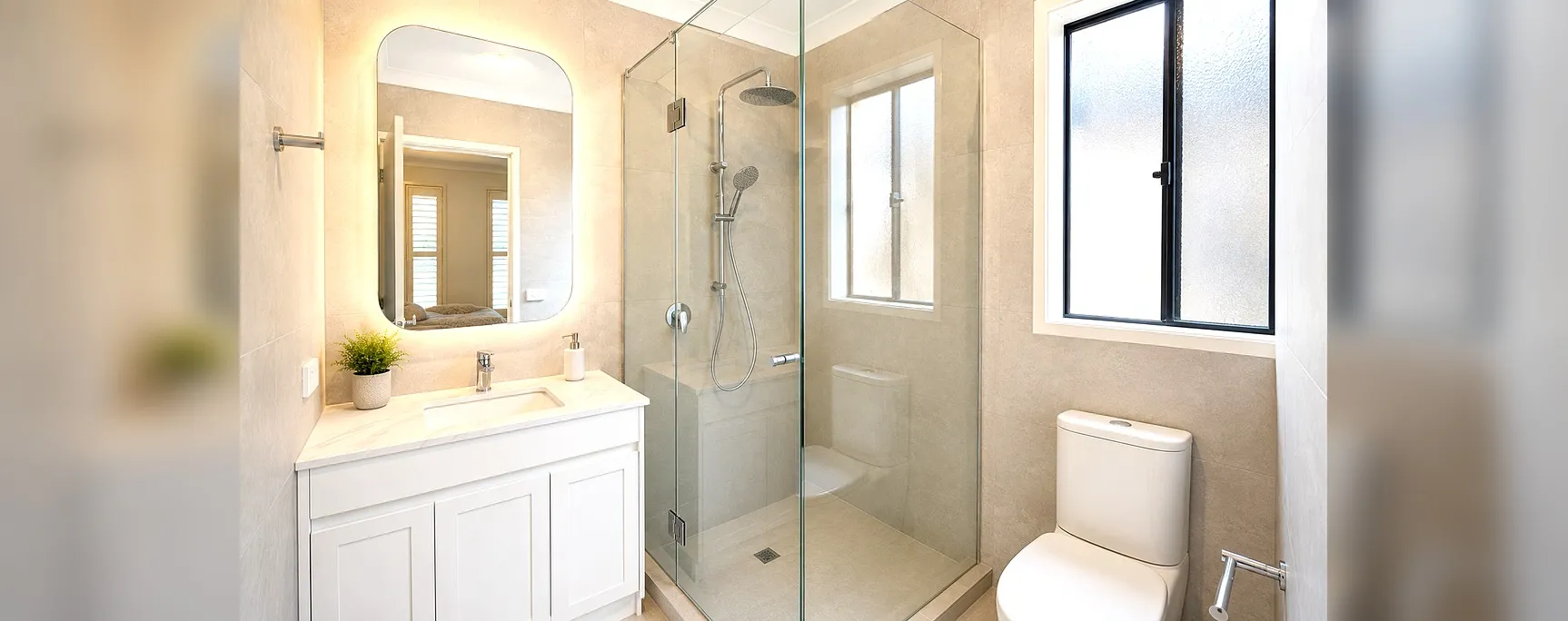
The largest cost driver is how much of the room is changing. Keeping plumbing locations and sound building elements can reduce labour and materials. Moving fixtures, changing walls, rebuilding floors or replacing every finish creates a broader project involving more trades and coordination.
Ask each contractor to describe what will be removed, retained, supplied, installed and finished. The proposal should also make exclusions clear.
- Demolition, home protection and waste removal.
- Floor, wall and ceiling preparation.
- Plumbing and electrical changes.
- Waterproofing, tiling and shower-screen work.
- Cabinetry, fixtures, painting and final finishing.
2. Concealed conditions
Some conditions cannot be confirmed until finishes are removed. Leaking showers can leave wet substrate, damaged framing or unsuitable previous work behind the tiles. Older homes may also need assessment for hazardous materials before demolition.
A responsible proposal explains known evidence, what remains concealed and how unexpected work will be documented and approved. A contingency in your own budget is different from accepting an undefined scope.
3. Fixtures, tiles and product selections
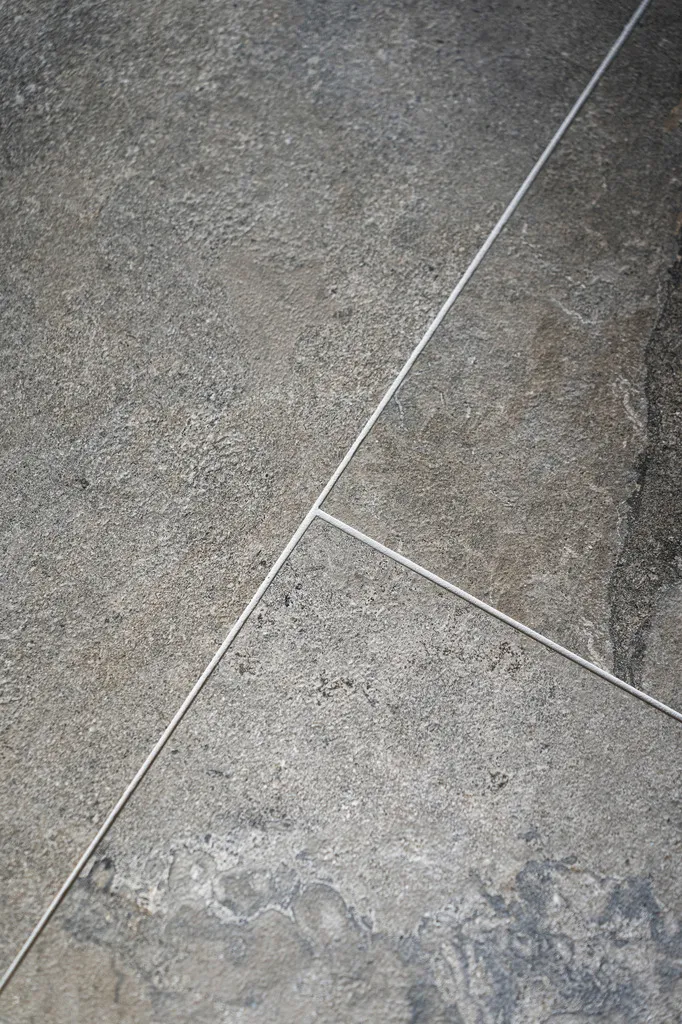
Tiles, tapware, baths, vanities, shower screens, toilets, lighting and accessories vary greatly in purchase price and installation requirements. Large-format or detailed tile layouts can require more preparation, cutting and labour even when the tile itself is not expensive.
Confirm whether products are fixed selections, client-supplied items or allowances. When a proposal contains an allowance, compare its amount and assumptions—not only the final total.
4. Licensed trades and project coordination
A complete renovation may involve demolition, carpentry, plumbing, electrical work, waterproofing, tiling, glazing, cabinetry and painting. Trade coordination means scheduling those specialists in the right order, checking each stage and keeping responsibility clear; the effort required affects project cost.
Proposals that appear similar can cover different standards of preparation, supervision, warranty and documentation. Check who is responsible for each stage and whether the scope reaches complete handover—the final checks, clean and delivery of care and warranty documents.
5. Access and the occupied home
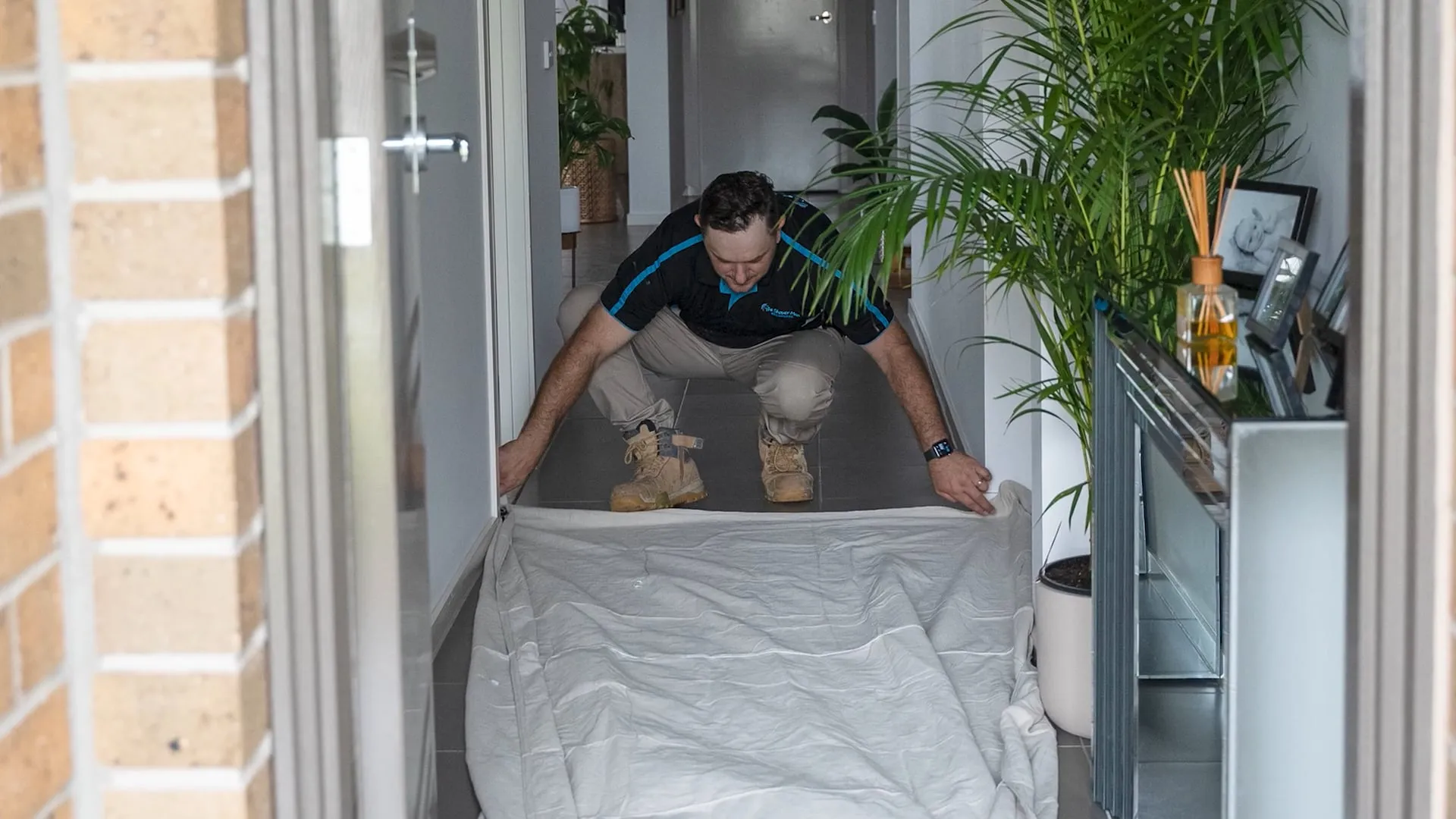
Stairs, narrow entries, limited parking, apartment rules and long distances between the bathroom and work vehicles can add handling time. Protecting floors and occupied areas, controlling dust and removing waste safely are also part of delivering work in an existing home.
Tell the contractor about access restrictions before quoting so the proposed method reflects the real site.
6. Compliance and documentation
Bathroom work must account for applicable plumbing, electrical, waterproofing and building requirements. The exact obligations depend on the work and property. Proper preparation, compliant installation and the right licensed trades should be part of the scope rather than optional extras.
Ask what certificates, warranties and completion documents apply to your project and who will provide them.
7. Variations after work begins
A variation is a change to the agreed work. It may result from a homeowner selection, a design change or a concealed condition that could not reasonably be confirmed earlier. Variations should be described and priced before extra work proceeds wherever possible.
You can reduce avoidable changes by finalising the layout and selections early, checking lead times and reviewing the scope line by line before accepting a proposal.
Partial renovation or complete renovation?
A partial pathway focuses on a defined area when the rest of the bathroom can remain serviceable—for example, rebuilding a failed shower while retaining suitable elements outside it. It is not simply a cheaper version of a complete renovation; retained structure and interfaces must suit the proposed work.
A complete renovation is the clearer pathway when the whole room needs renewal, the layout must change, several systems have reached the end of their life, or the desired result cannot be achieved by isolating one area. An in-home consultation can determine which pathway fits the room and your goals.
How to compare renovation quotes fairly
Put each proposal beside the same brief and look for differences in inclusions, exclusions, product allowances, preparation, compliance, warranty and variation process. If one total is much lower, identify which work or risk has been left out rather than assuming it represents the same project.
- Is the layout and demolition scope the same?
- Are fixtures, tiles and screens supplied or allowed for?
- Who coordinates every licensed trade?
- How are concealed conditions and variations approved?
- What protection, clean-up, documentation and warranty are included?
Plan the next step around your actual bathroom
A useful renovation budget comes from a defined scope, real selections and an assessment of the property—not a generic calculator. If a suitable project is difficult to fund as one payment, review payment-plan information after you understand the proposed scope and total commitment.
The complete bathroom renovation page explains the full-room service pathway. If the problem is concentrated in the shower, start with the shower rebuild pathway instead.