Planning
Does Home Insurance Cover a Leaking Shower?
A practical guide to the difference between the failed shower system and resulting water damage, plus what to document before contacting your insurer.
The short answer: it depends on the policy and cause
This guide provides general information only, not financial, legal or insurance advice. Home insurance may respond differently depending on what caused the leak, how suddenly it happened, what part of the property is damaged and the terms, limits and exclusions in your policy. Two homes with similar-looking water damage can have different claim outcomes.
Do not assume that a leaking shower is automatically covered or excluded. Read your Product Disclosure Statement and policy schedule, then ask your insurer how the specific event will be assessed.
Separate the cause of the leak from the resulting damage
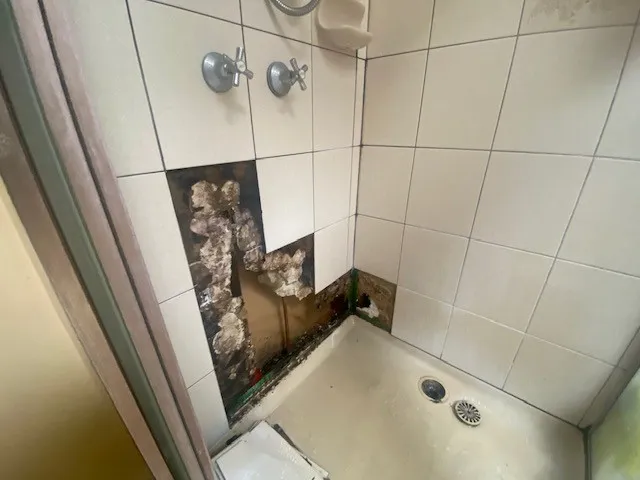
An insurer may treat the failed shower component and the damage caused by escaping water as separate questions. For example, the cost of replacing failed waterproofing, deteriorated grout, silicone, tiles or a cracked base may be considered differently from damage to an adjoining wall, skirting, flooring or the ceiling below.
Even where resulting water damage is covered, the policy may not pay to repair the defect, deterioration or faulty work that allowed the water to escape. It may also apply an excess, limits or other conditions. Only the insurer can decide what the policy covers.
Why sudden events and gradual deterioration are treated differently
Many policies distinguish a sudden, accidental event from damage that develops gradually. A burst pipe or an accidental impact may be considered differently from a shower that has leaked over months because seals, grout, waterproofing or building materials have deteriorated.
Policies commonly contain exclusions or limitations relating to wear and tear, gradual damage, poor maintenance, defective design, faulty materials or workmanship. The wording and how it applies to the facts matter, so avoid relying on a general rule or another homeowner’s claim result.
What to document before you lodge or discuss a claim
Act promptly to limit further damage where it is safe to do so, but avoid discarding damaged materials or authorising non-urgent destructive work until you understand what evidence the insurer needs. Keep a clear timeline and retain copies of all communication.
- Photograph and video the first visible signs, the shower, adjoining rooms and any area below.
- Record when you first noticed the problem, whether it appeared suddenly and what was happening at the time.
- Note previous leaks, maintenance, regrouting, resealing, plumbing work or renovations.
- Keep invoices, warranties, building documents and reports already available to you.
- Record reasonable steps taken to prevent more damage, including stopping use of the shower if appropriate.
- Ask the insurer before removing finishes or disposing of damaged items unless urgent safety work is required.
Questions to ask your insurer
Use the insurer’s claims channel and ask for answers that relate to your policy. If possible, keep the response in writing.
- Does my policy distinguish between repairing the cause and repairing resulting water damage?
- What exclusions, limits, waiting periods or excesses may apply?
- What evidence, photos, invoices or specialist findings do you need?
- Do you need to inspect the damage before materials are removed or repairs begin?
- May I carry out urgent work to prevent further damage, and what records should I keep?
- Will you appoint an assessor or repairer, or should I obtain quotations?
What a visual shower assessment covers
Our shower visit includes a visual assessment of accessible areas, consultation and a quotation outlining proposed rectification works. It does not include leak detection, diagnostic testing or invasive investigations.
The shower visit does not provide an insurance report. It is not an insurance assessment, coverage opinion, loss-adjusting service or guarantee that a claim will be accepted. Ask your insurer whether it requires a particular report, assessor or licensed trade before booking any work for claim purposes.
A practical order for your next steps
First, prevent further avoidable damage and record what you can see. Next, review your policy and contact the insurer before non-urgent demolition or repairs. Follow its evidence and inspection instructions, then arrange the appropriate shower diagnosis or trade work.
General information only: this guide is not financial, legal or insurance advice. Cover depends on your policy wording and circumstances. Contact your insurer or a suitably qualified adviser for advice about your claim.